


How does the overlapping process of a modified asphalt waterproof membrane affect its overall waterproofness?
Release Time : 2025-12-11
The overlapping process of modified asphalt waterproof membranes is a core element determining their overall waterproofing performance, and its construction quality directly affects the continuity, sealing, and durability of the waterproof layer. As a key technology in waterproofing projects, the overlapping process requires the coordinated efforts of material fusion, structural design, and construction control to form a reliable waterproof barrier.
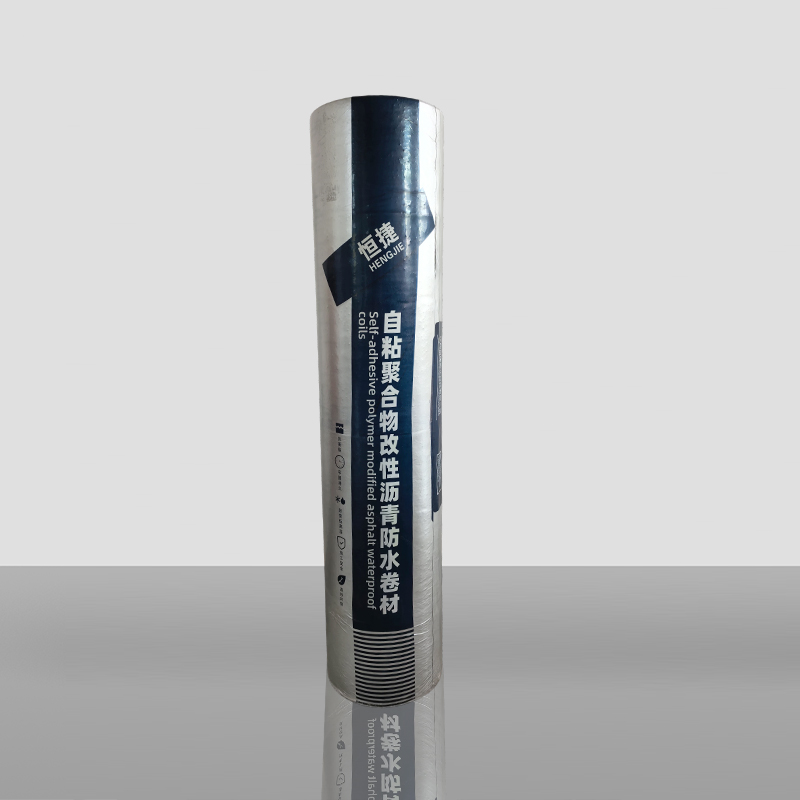
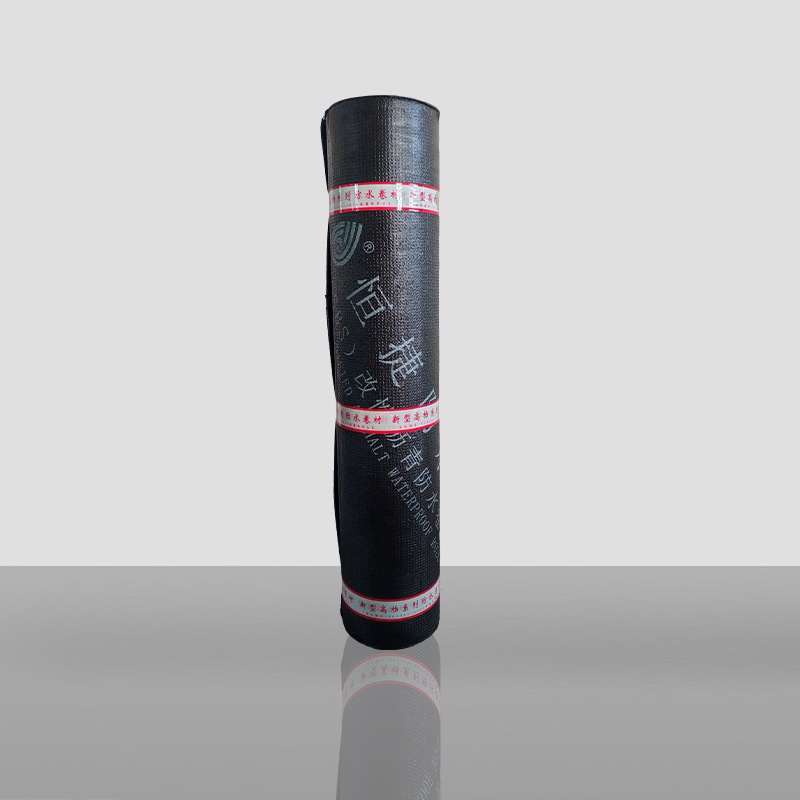
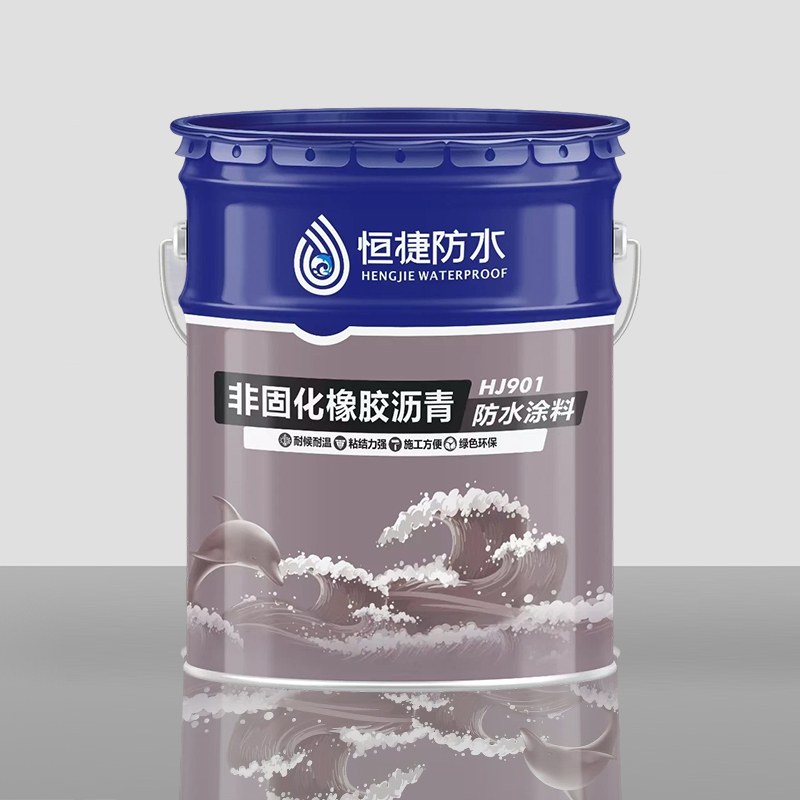
The overlapping process of modified asphalt waterproof membranes essentially solves the problem of physical connection between membrane rolls. In traditional processes, the hot-melt method melts the bitumen layer of the membrane through high-temperature heating, achieving molecular-level fusion between the upper and lower layers. This process creates seamless seams, and the complete fusion of the bitumen layer ensures that the waterproof layer maintains the same physical properties as the substrate in the overlapping area, effectively avoiding the risk of leakage due to weak overlaps. In contrast, the non-curing rubber asphalt waterproof coating bonding method fills the gaps in the membrane rolls with highly adhesive materials, forming an elastic sealing layer. Its creep resistance can adapt to slight deformations of the substrate, but its long-term water resistance requires optimization through material modification.
The overlap width is a fundamental parameter affecting waterproofing performance. Excessively narrow overlaps can lead to stress concentration, making them prone to cracking under temperature changes or structural settlement; excessively wide overlaps can result in material waste and reduced construction efficiency. In practical engineering, the overlap width on the long side is typically controlled at 80-100 mm, while the short side is increased to 100-150 mm. This design ensures sufficient bonding area while allowing for adjustments to construction errors. The direction of the overlap is equally crucial; overlaps parallel to the water flow direction reduce rainwater seepage paths, while overlaps perpendicular to the slope enhance anti-slip capabilities.
Sealing the overlap joints is the last line of defense in a waterproofing system. In hot-melt processes, molten asphalt is extruded under pressure to form a dense layer, which then forms a natural sealant upon cooling. Non-curing coatings require filling edge gaps with a special sealant. For stress-concentrated areas such as pipe roots and corners, additional reinforcement layers are necessary. These additional layers are generally no less than 250 mm wide and must completely wrap around the main membrane. These detailed treatments significantly improve the waterproofing layer's impermeability in complex areas.
The impact of the construction environment on the quality of the overlap cannot be ignored. Low temperatures increase asphalt viscosity, affecting melting; high temperatures may cause asphalt carbonization, reducing bond strength. Humidity control is equally crucial; excessive moisture content in the substrate creates moisture channels, leading to blistering of the waterproof layer. During rainy weather, moisture seeps into the overlap joints, damaging the bonding interface and creating hidden leaks. Therefore, specifications require an ambient temperature no lower than 5℃ and relative humidity no higher than 85%, and construction should avoid rainy or snowy weather. Material compatibility is the fundamental basis for ensuring overlap performance. Different modified asphalt waterproof membranes have different base material compositions and modifier types; mixing them may result in weak adhesion. For example, SBS modified asphalt and APP modified asphalt have different heat melt temperature ranges; forced overlap will create a weak layer. The selection of matching adhesives must also strictly adhere to material compatibility principles; non-specific adhesives may cause bonding failure due to chemical incompatibility.
Quality inspection is the final checkpoint in controlling the overlap process. Visual inspection confirms that the overlap seams are flat, without curling edges, and without hollow areas. Peel strength testing quantifies the bonding effect; specifications require a peel strength of no less than 1.5 N/mm for hot-melt overlaps and no less than 1.0 N/mm for self-adhesive overlaps. Impermeability testing verifies sealing performance through a simulated high-pressure water environment. These testing methods collectively constitute a quality assurance system, ensuring that the overlapping process meets design requirements.
The overlapping process of modified asphalt waterproof membranes constructs a complete waterproof barrier through material fusion technology, structural design optimization, construction environment control, and a quality testing system. From molecular-level fusion bonding to macroscopic sealing, precise control at each stage determines the final performance of the waterproof layer. With advancements in materials science and construction technology, new overlapping processes are constantly emerging, providing more reliable solutions for waterproofing projects in complex environments.