


How should the overlap width of a self-adhesive polymer modified bitumen waterproof membrane be determined?
Release Time : 2025-12-30
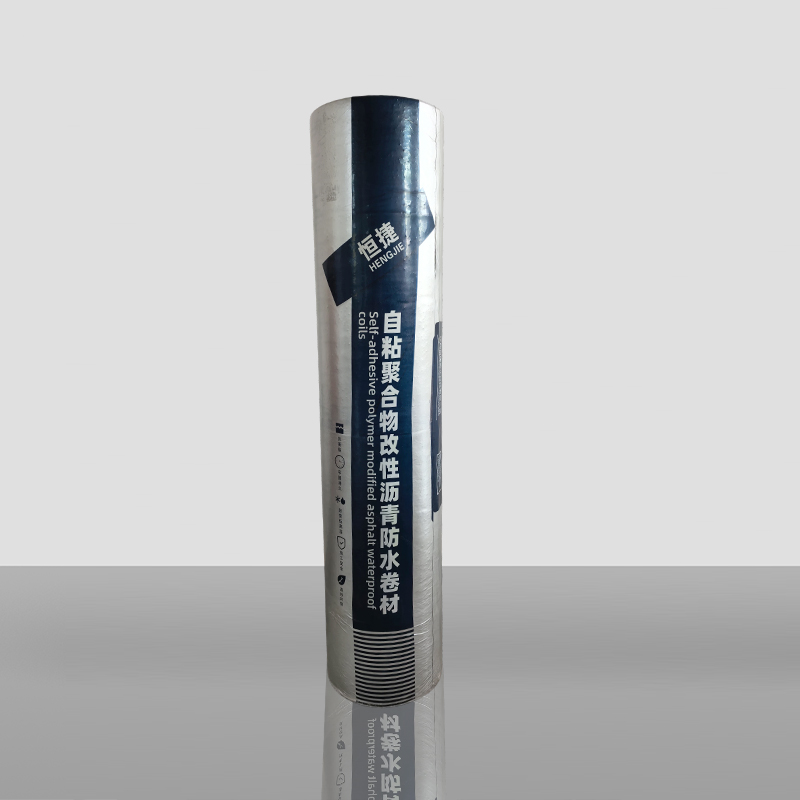
Self-adhesive polymer modified bitumen waterproof membrane, as a highly efficient waterproofing material, is widely used in various building waterproofing projects. Determining its overlap width is a crucial step in ensuring waterproofing effectiveness. The overlap width not only affects the overall sealing performance of the waterproof membrane but also directly relates to the durability and reliability of the waterproofing system. Therefore, scientifically and rationally determining the overlap width of the self-adhesive polymer modified bitumen waterproof membrane is an essential step that cannot be ignored during waterproofing construction.
The overlap width of the self-adhesive polymer modified bitumen waterproof membrane must first consider the characteristics of the material itself. This type of waterproof membrane uses polymer-modified bitumen as a base material and is manufactured through a special process, possessing excellent adhesion, flexibility, and weather resistance. Its self-adhesive properties allow the membranes to adhere tightly together, forming a continuous waterproof layer. However, even with superior material performance, insufficient overlap width can still lead to weak points for leakage at the joints. Therefore, determining the overlap width must fully consider the material's bonding strength and elongation properties to ensure that the joints remain sealed under the influence of external factors such as temperature changes and structural deformation.
The construction environment is also a crucial factor affecting the overlap width of self-adhesive polymer modified bitumen waterproof membranes. Under different construction conditions, such as temperature, humidity, and wind speed, the adhesion of the waterproof membrane will vary. In high-temperature environments, the bitumen material softens, increasing adhesion; however, excessively high temperatures can also cause membrane deformation, affecting overlap quality. Conversely, in low-temperature conditions, the bitumen hardens, reducing adhesion, requiring an appropriate increase in overlap width to ensure a tight seal. Furthermore, humidity and wind speed also affect construction quality and overlap effectiveness, necessitating adjustments based on actual conditions.
The specific requirements of the waterproofing project are also an important basis for determining the overlap width. Different building locations and different waterproofing grades have different requirements for the overlap width of the waterproof membrane. For example, in roof waterproofing projects, due to the significant temperature variations and structural deformations experienced by the roof, a wider overlap width is required to enhance the adaptability of the waterproofing layer. In basement waterproofing projects, due to the high pressure of groundwater, it is essential to ensure a tight seal at the overlap to prevent leakage. Therefore, when determining the overlap width, a comprehensive consideration must be given to the specific requirements of the waterproofing project, combined with material properties and the construction environment.
The overlapping method of self-adhesive polymer modified bitumen waterproof membranes also affects the determination of the overlap width. Common overlapping methods include butt joints and overlaps. Butt joints require the edges of two membrane materials to be aligned, forming a continuous waterproof layer through adhesives or heat fusion welding. This method has relatively lower requirements for overlap width. Overlaps, on the other hand, require one membrane material to be placed on top of another, creating an overlapping area. This method has higher requirements for overlap width, ensuring the overlap is wide enough to form an effective seal.
In actual construction, attention must also be paid to the uniformity and consistency of the overlap width. Uneven overlap widths may lead to weak points in the waterproof layer, affecting the overall waterproofing effect. Therefore, during construction, the overlap width must be strictly controlled to ensure that the overlap width of each membrane material meets the design requirements.
The overlap width of self-adhesive polymer modified bitumen waterproof membranes is a comprehensive issue that requires consideration of multiple factors, including material properties, construction environment, waterproofing requirements, overlapping method, and construction quality control. Only by scientifically and rationally determining the overlap width can we ensure that the waterproof membrane performs at its best and provides durable and reliable waterproof protection for buildings.