


The Crucial Role of Petroleum Asphalt in Modified Asphalt Waterproof Membranes
Release Time : 2026-01-08
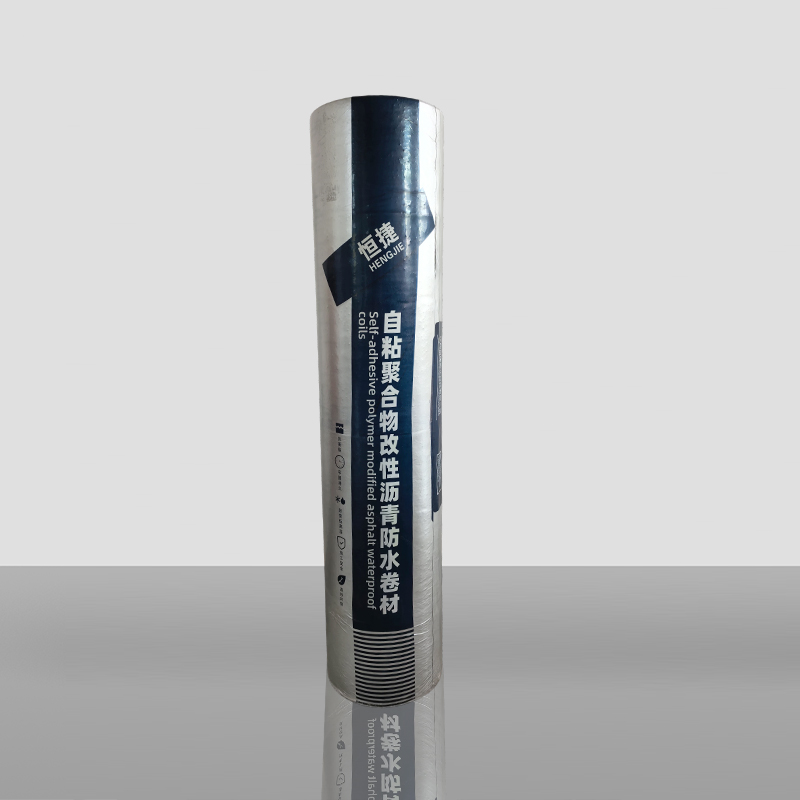
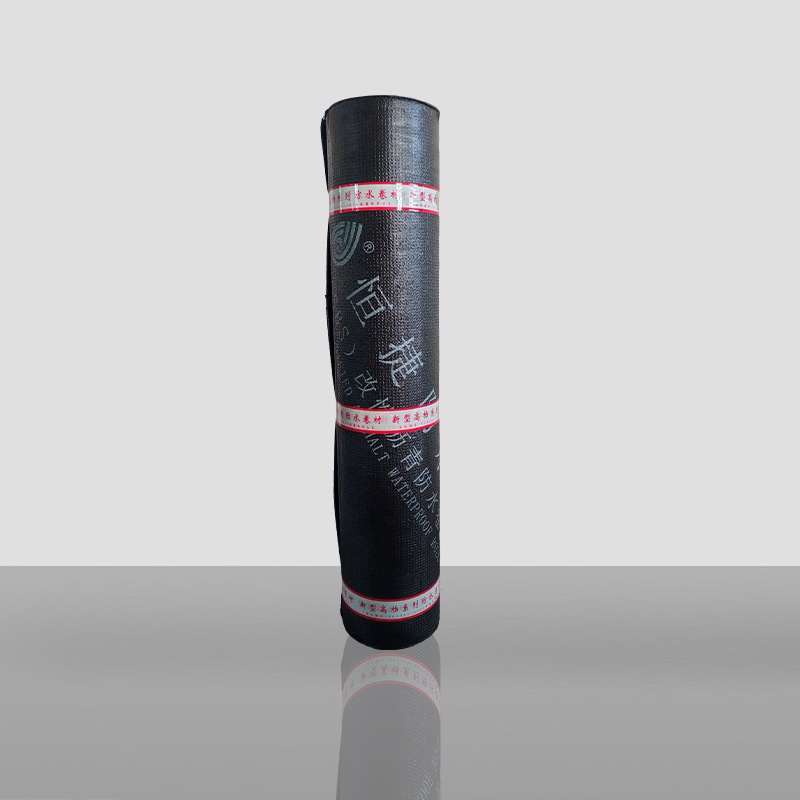
In modern building waterproofing projects, modified asphalt waterproof membranes are widely used due to their excellent comprehensive performance. These membranes use polyester felt or fiberglass felt as the base material, impregnated on both sides with modified asphalt, a blend of SBS thermoplastic elastomer and petroleum asphalt, and covered with a separating material such as fine sand, mineral particles, or PE film. Petroleum asphalt, as the base binder and film-forming substance, plays an irreplaceable and crucial role in the entire system.
1. Providing Base Adhesion and Film-Forming Capacity
Petroleum asphalt is a complex polymer mixture obtained naturally or through petroleum refining, possessing good adhesion and plasticity. In SBS modified asphalt waterproof membranes, it primarily acts as the main binder, firmly binding the SBS modifier, filler, and base material together. Its inherent film-forming properties allow the membrane to form a continuous, dense waterproof layer after cooling, effectively blocking water penetration. Without the base support of petroleum asphalt, although SBS possesses elastic advantages, it is difficult to form a stable and continuous waterproof structure on its own.
2. Synergistic Effect of SBS on Enhancing Low-Temperature Flexibility and High-Temperature Stability
While SBS, as a thermoplastic elastomer, significantly improves the low-temperature brittleness and high-temperature flowability of asphalt, its modification effect relies on the physicochemical environment of petroleum asphalt to be fully realized. Petroleum asphalt provides the medium for the dispersion and cross-linking of SBS molecular chains. In the molten state, SBS micro-regions are uniformly distributed in the asphalt phase, forming an "island structure," thus endowing the membrane with the ability to maintain good flexibility at temperatures as low as -25°C. Simultaneously, in high-temperature environments, petroleum asphalt and SBS jointly construct a three-dimensional network structure, effectively inhibiting material softening and deformation, ensuring that the membrane does not flow or bulge under hot climates or high-temperature roof conditions in summer.
3. Enhanced Durability and Environmental Adaptability
Petroleum asphalt itself possesses certain water resistance, corrosion resistance, and anti-aging potential. After blending and modification with SBS, its original defects are significantly compensated, while its advantages are further amplified. The modified asphalt system not only retains its excellent resistance to chemical media such as acids, alkalis, and salts, but also improves its fatigue resistance, puncture resistance, and tear resistance due to the addition of SBS. This allows the membrane to maintain stable performance in environments with long-term dampness or even slight chemical corrosion, such as underground engineering, subway tunnels, and swimming pools. Furthermore, the hydrophobic properties of petroleum asphalt effectively prevent mold growth and enhance its anti-mildew performance.
4. Ensuring Construction Feasibility and Joint Reliability
SBS-modified asphalt waterproof membranes are typically applied using a hot-melt method, where the asphalt on the bottom of the membrane is melted by flame heating and then bonded to the substrate. This process heavily relies on the hot-melt properties of petroleum asphalt—it has good fluidity and adhesion in the range of 180–220℃, and solidifies rapidly upon cooling to form a strong joint. Even in cold seasons, as long as the heating temperature is controlled, petroleum asphalt can still reliably melt, ensuring year-round construction. More importantly, after the membrane overlaps are fused through hot melting, the petroleum asphalt and SBS together form an integrated waterproof layer, resulting in high joint strength and excellent sealing, far superior to self-adhesive or cold-bonding processes.
5. Economic Efficiency and Resource Adaptability
From an industry perspective, petroleum asphalt, as a byproduct of petroleum refining, is widely available and cost-effective, making it an ideal base material for large-scale production of waterproof membranes. Combining it with polymer modifiers such as SBS improves product performance while maintaining a relatively reasonable cost, meeting the cost-effectiveness requirements of building waterproofing projects. Especially in large infrastructure projects, this type of modified membrane based on petroleum asphalt has become the mainstream choice.
In summary, petroleum asphalt in modified asphalt waterproof membranes is not only a basic binding material but also a core carrier for synergistic performance, structural stability, and feasible construction. Together with SBS modifiers, reinforcing substrates, and surface coverings, it constitutes a high-performance, highly reliable waterproofing system, particularly suitable for cold regions, underground projects, and fire-prohibited areas, fully demonstrating the engineering wisdom of integrating traditional materials with modern polymer technology.
1. Providing Base Adhesion and Film-Forming Capacity
Petroleum asphalt is a complex polymer mixture obtained naturally or through petroleum refining, possessing good adhesion and plasticity. In SBS modified asphalt waterproof membranes, it primarily acts as the main binder, firmly binding the SBS modifier, filler, and base material together. Its inherent film-forming properties allow the membrane to form a continuous, dense waterproof layer after cooling, effectively blocking water penetration. Without the base support of petroleum asphalt, although SBS possesses elastic advantages, it is difficult to form a stable and continuous waterproof structure on its own.
2. Synergistic Effect of SBS on Enhancing Low-Temperature Flexibility and High-Temperature Stability
While SBS, as a thermoplastic elastomer, significantly improves the low-temperature brittleness and high-temperature flowability of asphalt, its modification effect relies on the physicochemical environment of petroleum asphalt to be fully realized. Petroleum asphalt provides the medium for the dispersion and cross-linking of SBS molecular chains. In the molten state, SBS micro-regions are uniformly distributed in the asphalt phase, forming an "island structure," thus endowing the membrane with the ability to maintain good flexibility at temperatures as low as -25°C. Simultaneously, in high-temperature environments, petroleum asphalt and SBS jointly construct a three-dimensional network structure, effectively inhibiting material softening and deformation, ensuring that the membrane does not flow or bulge under hot climates or high-temperature roof conditions in summer.
3. Enhanced Durability and Environmental Adaptability
Petroleum asphalt itself possesses certain water resistance, corrosion resistance, and anti-aging potential. After blending and modification with SBS, its original defects are significantly compensated, while its advantages are further amplified. The modified asphalt system not only retains its excellent resistance to chemical media such as acids, alkalis, and salts, but also improves its fatigue resistance, puncture resistance, and tear resistance due to the addition of SBS. This allows the membrane to maintain stable performance in environments with long-term dampness or even slight chemical corrosion, such as underground engineering, subway tunnels, and swimming pools. Furthermore, the hydrophobic properties of petroleum asphalt effectively prevent mold growth and enhance its anti-mildew performance.
4. Ensuring Construction Feasibility and Joint Reliability
SBS-modified asphalt waterproof membranes are typically applied using a hot-melt method, where the asphalt on the bottom of the membrane is melted by flame heating and then bonded to the substrate. This process heavily relies on the hot-melt properties of petroleum asphalt—it has good fluidity and adhesion in the range of 180–220℃, and solidifies rapidly upon cooling to form a strong joint. Even in cold seasons, as long as the heating temperature is controlled, petroleum asphalt can still reliably melt, ensuring year-round construction. More importantly, after the membrane overlaps are fused through hot melting, the petroleum asphalt and SBS together form an integrated waterproof layer, resulting in high joint strength and excellent sealing, far superior to self-adhesive or cold-bonding processes.
5. Economic Efficiency and Resource Adaptability
From an industry perspective, petroleum asphalt, as a byproduct of petroleum refining, is widely available and cost-effective, making it an ideal base material for large-scale production of waterproof membranes. Combining it with polymer modifiers such as SBS improves product performance while maintaining a relatively reasonable cost, meeting the cost-effectiveness requirements of building waterproofing projects. Especially in large infrastructure projects, this type of modified membrane based on petroleum asphalt has become the mainstream choice.
In summary, petroleum asphalt in modified asphalt waterproof membranes is not only a basic binding material but also a core carrier for synergistic performance, structural stability, and feasible construction. Together with SBS modifiers, reinforcing substrates, and surface coverings, it constitutes a high-performance, highly reliable waterproofing system, particularly suitable for cold regions, underground projects, and fire-prohibited areas, fully demonstrating the engineering wisdom of integrating traditional materials with modern polymer technology.